Solar Energy Savings

in partnership with

- Free Expert Advice
- Instant Quote
- 30 Year Panel Warranty
- UK's Lowest Prices
- Fast Installation
- Rated "Excellent" on TrustPilot






Why do customers love Glow Green?
- Free No Obligation Quote
- Lowest PV Solar Prices
- Installed by Local and Friendly engineers
- 30 Year Pannel Warranty
- 50,000+ Satisfied customers
- Complete MCS Installation & Paperwork
Studio Charrette in partnership with Glow Green
Studio Charrette have Partnered with The UK'S leading Solar and green energy company Glow Green. This partnership enables you the Customer direct access for all your solar needs along with the Ultimate levels of Quality, Service, Installation and Pricing.
Hi, I'm
Mark Mirams
Director & Head of National Planning
We're here to help.
Book Your Planning Appraisal HereHow it Works
Complete a Simple Form
Let us know a few details about your home through our online quote form and we will give you a list of the Lead PV panels at low prices.
Pick your PV system
Choose from our list of recommended PV Solar systems. No salesmen involved, a friendly PV Solar Pro will give you a call to confirm your fixed-price quote over the phone.
Installed by an Expert
We will arrange a date and send a local PV Solar expert. A fully vetted engineer to professionally install your new PV Solar system.
Helping You GO Green
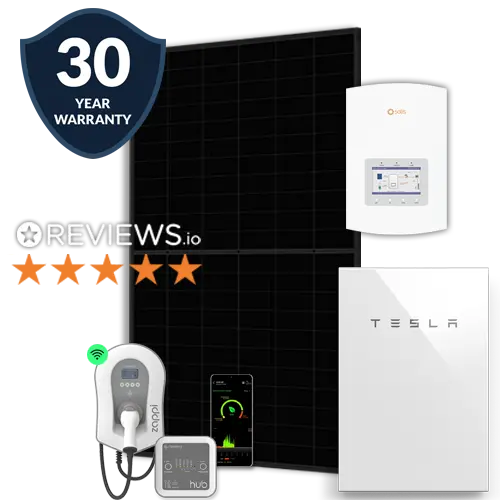
Glow Green will tailor your package to meet your requirements, starting with a PV Solar Panel package then adding optional Battery Storage, an EV Charging Point and/or a Solar Diverter for free Hot Water. We're here to help you maximise your energy saving!
Solar Panels
You'll receive the optimum number of Solar Panels installed on your roof, to convert FREE energy from the sun into usable electricity, and a high quality inverter.
Battery Storage (Optional)
Add up to eight battery packs to your system to store energy generated from the sun for use at other times. We stock batteries from Leading Brands including Tesla, PureDrive and PylonTech.
EV Charger (Optional)
Add a Zappi Electric Vehicle Charging point to your home and charge you car, or Solar Diverter for FREE hot water.
Installed by Award Winning Glow Green






Why Customers Love Glow Green
Product Warranty
Our PV solar panels come with up to 30 years warranty for complete peace of mind.
Low Prices
As the UK's #1 Solar Supplier you'll benefit from our huge buying power and an unbeatable Price Match Guarantee.
Accredited
We are proud to be members of NICEIC and HIES, so you are in safe hands.
MCS Certified
We are MCS certified. This ensures that your installation will be completed to the highest standard, and you can sell your surplus energy back to the grid.
Award Winning
We are an award-winning business. Finalist for H&V national heating installer 2019.
Qualified Electricians
Electrical work is undertaken by fully qualified, registered & accredited electricians.
Workmanship Warranty
Our installations come with a 5-year insurance backed workmanship warranty.
Quality Control
100% of our installations are audited to ensure full compliance.
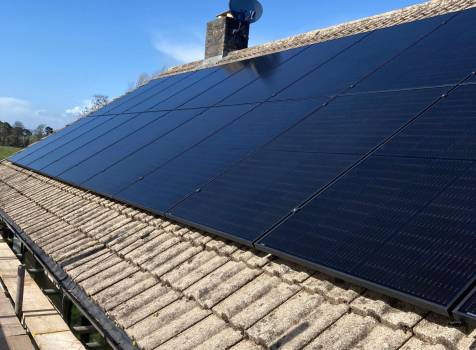
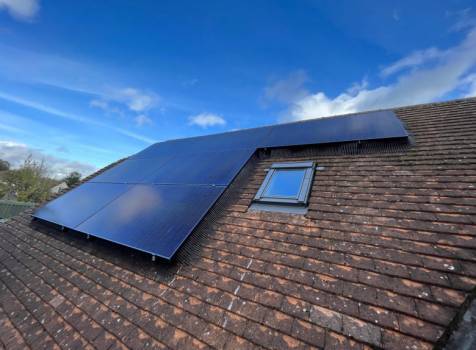
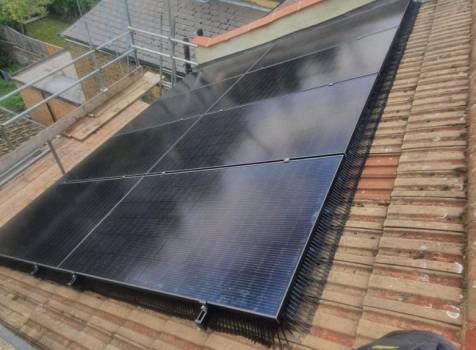
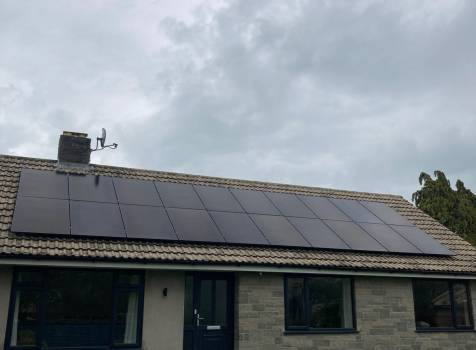
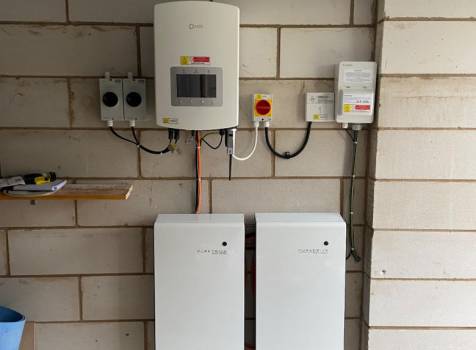
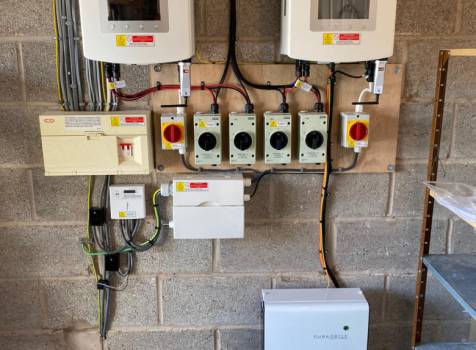
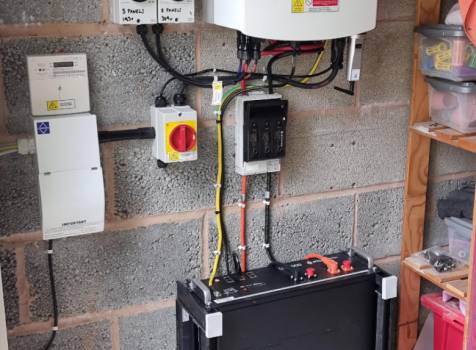
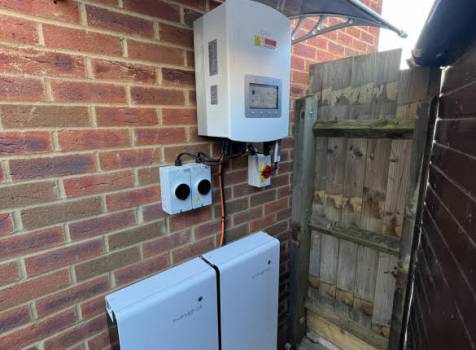
Some Recent Installations
Price Match Promise
Lowest Price - Guaranteed!
Glow Green know finding the right PV Solar System for your home can be a time-consuming process. That's why they offer you a choice of leading brands at the lowest possible prices to start with.
And for complete peace of mind, if you find an equivalent system at a cheaper price, they'll beat it!
About Us
Glow Green are one of the UK’s leading providers of green energy products, specialising in supplying the latest energy efficient solutions that help their customers to reduce their energy usage and save money. Glow Green are now in their 12th year of trading, making them one of the longest established and most reputable suppliers in this industry.
Unbeatable Value
Glow Greens philosophy is simple. To provide their customers with the latest and greenest products from the world's leading manufacturers, the most efficient design, the fastest installation, and the best service, at the lowest possible price.
Fast Installation - Nationwide
Recently, the global supply chain for PV solar products has been incredibly unreliable, with many households having to wait 4-6 months (or even longer) to start producing their own energy. At Glow Green Solar, they install most of their customer’s systems in just 2-4 weeks - sometimes even quicker. And the quicker your new system is installed, the faster you'll start saving money on your energy.
Benefit from Glow Greens Buying Power
Glwo Green do this by sourcing everything they need, in bulk, using their massive buying power to secure the cheapest prices (which we pass on to our customers). And by keeping over £4m of stock in their UK central warehouse, they can ensure that when you choose Glow Green, you can be confident your new Solar PV system will be installed and commissioned on time and on budget.
No Hard Selling
Glow Green won’t pressure you to make a decision before you are ready - they know this is a really big purchase and it’s important to Glow Green that you are comfortable with the products and supplier you choose; although obviously, the sooner your new system is installed, the sooner you can stop worrying about future rises in electricity prices!
Secure your system with a low £200 Deposit
You should also be aware that Glow Green can only guarantee their quotes for 14 days due to the Global inflationary environment and the speed/size of some of the manufacturer price rises we are seeing; although if you need a few extra days, you can secure your pricing with a small £200 holding deposit. But don’t worry if you need a little longer - we’ll be happy to re-quote you again with the latest prices at any time.
A Supplier you can Trust
With an "Excellent" rating on Trustpilot (check out our reviews) Glow Green have already helped over 50,000 customers across the nation reduce their carbon footprint with one (or more) of their green energy products. We hope you'll choose us as your Solar PV partner, and look forward to working with you.
UK's Lowest Prices - Guaranteed
Glow Green know finding the right PV Solar System for your home can be a time-consuming process. That's why they offer you a choice of leading brands at the lowest possible prices to start with. And for complete peace of mind, if you find an equivalent system at a cheaper price, we'll beat it!